6 Tips for Preventing Commercial Drain Clogs and Keeping Your System Flowing Smoothly

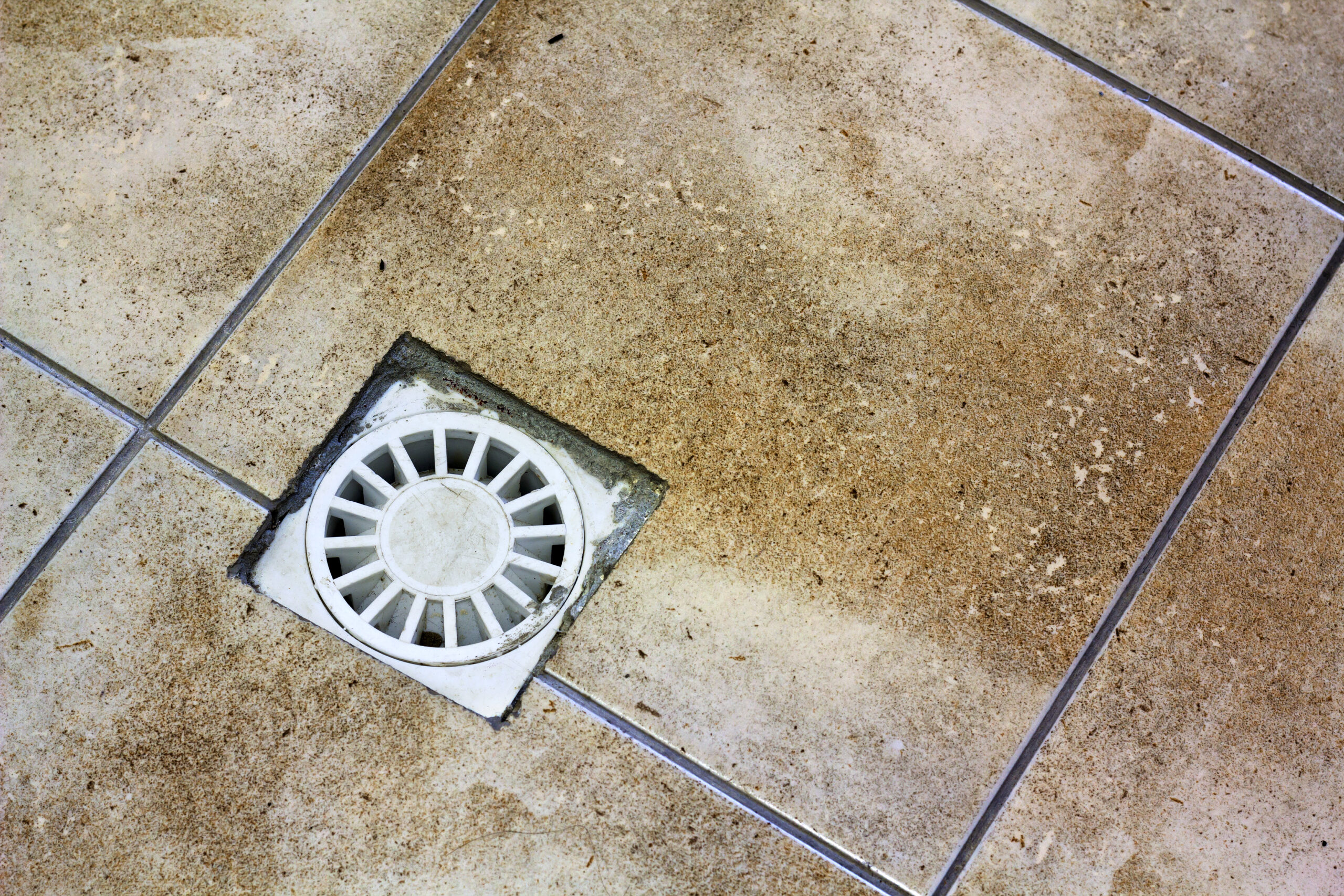
Water drain vent in kitchen, bathroom or basement ceramic tiled old vintage floor. Geometric abstract beige background.

As a business owner, you understand the importance of maintaining a smoothly functioning commercial plumbing system. It is crucial to ensure that your business operations are running efficiently and uninterrupted. However, a clogged drain can be a cumbersome, costly, and frustrating problem that can hinder your operations. Therefore, it is essential to take preventive measures to avoid such issues and maintain your plumbing system’s efficiency.

To help you out, here are six essential tips that you can follow to prevent commercial drain clogs. By following these tips, you can avoid costly repairs and ensure that your daily operations are not disrupted. These preventative measures can help you protect your investment and ensure that your business runs smoothly.

Develop and Implement a Regular Maintenance Schedule

One of the most effective ways to prevent commercial drain clogs is to establish a regular maintenance schedule for your plumbing system. Routine inspections and cleaning services allow our team to identify and address any potential issues before they escalate, ensuring the smooth operation of your drains. We recommend scheduling maintenance appointments at least once or twice a year, depending on the size and complexity of your plumbing system.

Install Drain Screens and Strainers

Utilizing drain screens or strainers in sinks and floor drains is an essential preventative measure for commercial properties. These devices help to catch solids and debris before they enter your plumbing system, significantly reducing the risk of clogs. Regularly clean and replace these screens as needed to maintain their effectiveness.

Dispose of Grease and Oils Properly

Grease, fats, and oils are leading culprits of drain clogs as they cool and solidify inside pipes, leading to blockages. Ensure you have proper grease management practices in place, such as using grease traps, separate containers for collecting used oils, and adequately disposing of them in designated waste receptacles rather than pouring them down the drain.

Train Employees on Proper Waste Disposal

Educating employees on proper waste disposal and the importance of protecting your plumbing system not only saves time and resources but can also prevent disruptive and potentially costly clogs. Provide training on the correct disposal of food scraps, grease, and other waste products to ensure they don’t end up in your drains.

Minimize the Use of Chemical Drain Cleaners

While it might be tempting to use chemical drain cleaners as a quick fix for minor clogs, their ingredients can be harmful to your pipes, causing corrosion and damaging the integrity of your plumbing system over time. Instead, involve us for regular maintenance and utilize less harmful cleaning solutions, such as hot water and mild detergent, for day-to-day cleaning tasks.

Consider Investing in a Water Softening System

Hard water is a common problem faced by many households and businesses. It contains high levels of minerals such as calcium and magnesium, which can cause a range of issues. One of the most significant problems caused by hard water is scale buildup within the pipes, which can lead to clogs and reduce the efficiency of your plumbing system.

If you’re experiencing any of these issues, it might be worth considering installing a water-softening system. This type of system can help prevent the negative effects of hard water by removing the minerals that cause scale buildup. By doing so, it can improve your plumbing system’s performance and efficiency, ultimately saving you money in the long run.

Choose Our Experts for Your Commercial Drain Maintenance

Taking a proactive approach to commercial drain clog prevention can save your business time and money, and avoid the inconvenience of disruptive plumbing issues. By following these six essential tips and partnering with our team of experienced professionals, you can maintain the smooth operation of your plumbing system and focus on what truly matters—your business’s success.

Don’t let commercial drain clogs derail the productivity and efficiency of your operation. Contact us at D&F Plumbing, Heating and Cooling today to schedule a maintenance appointment and discuss a customized solution tailored to your unique needs. Count on our team to provide comprehensive preventive care that keeps your commercial plumbing system flowing smoothly, ensuring longevity and maximum efficiency for years to come. Invest in professional plumbing services now and enjoy peace of mind as your business thrives.
Why Hiring Professionals for Outdoor Drain Cleaning is a Must

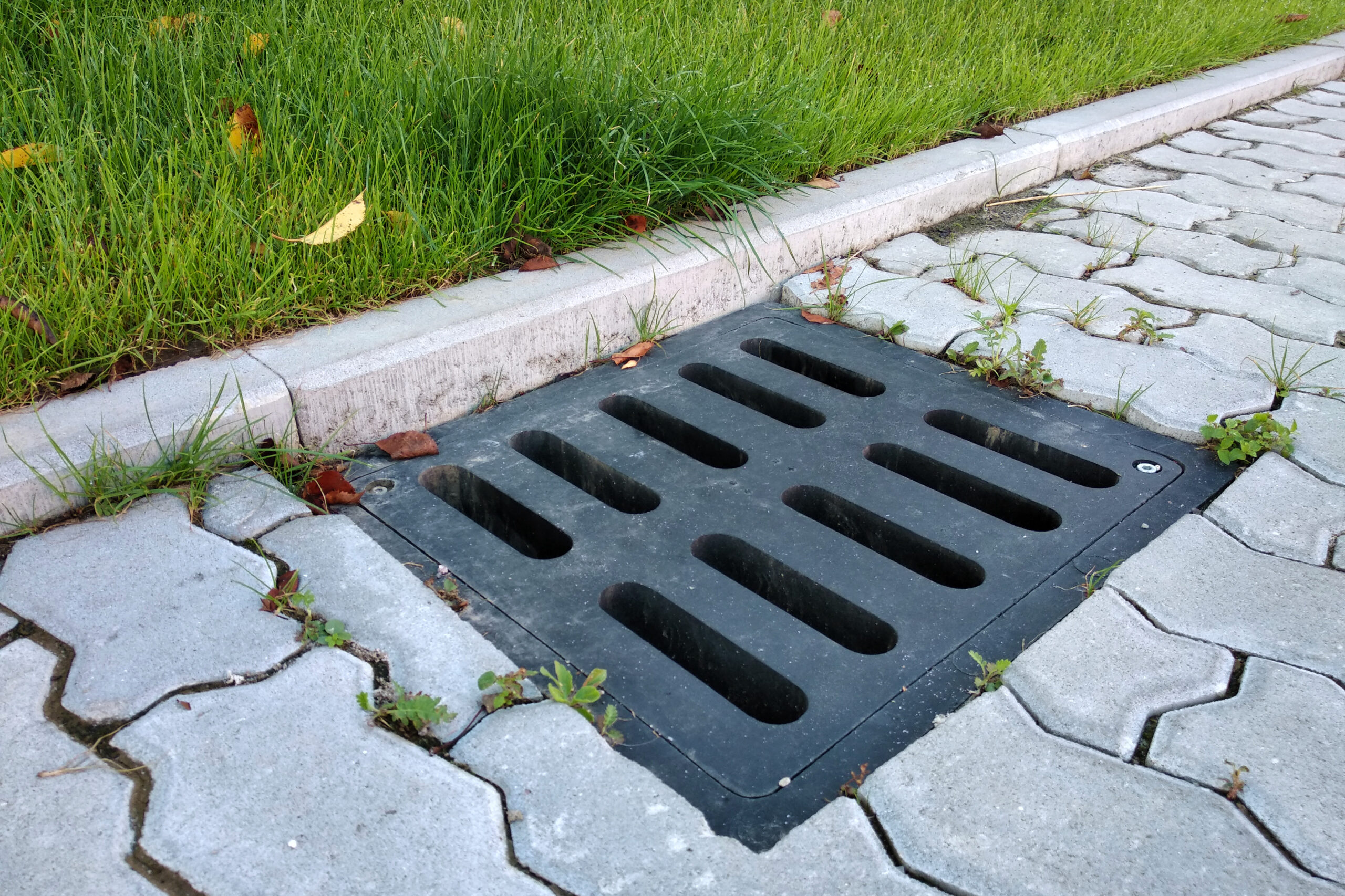
Plastic drain gutter, green grass lawn and stone pavement sidewa

Outdoor drains play a crucial role in managing water flow and preventing flooding on your property, protecting your home from water damage. Over time, these drains can accumulate debris, leaves, dirt, and other contaminants that may cause clogs and impede functionality. While some homeowners may be tempted to undertake outdoor drain cleaning themselves, hiring professionals provides significant advantages in terms of efficiency, safety, and long-term effectiveness.

If you’re a homeowner, it’s essential to keep your outdoor drains in good working order. But cleaning them yourself can be challenging, especially if you’re not equipped with the right knowledge, experience, and tools. That’s why hiring professionals for outdoor drain cleaning is a must. They have the expertise and equipment to ensure that your drains are functioning correctly, protecting your home from potential water damage and extending their lifespan. So, let’s explore the key reasons why you should consider hiring experts for this critical task.

Efficient Clog and Blockage Removal

One of the main advantages of hiring professionals for outdoor drain cleaning is our ability to remove clogs and blockages efficiently and effectively. We are trained and experienced in identifying the cause and location of the blockage, using specialized equipment such as high-definition cameras to inspect your drains and pinpoint the problem. This efficient approach saves you time and energy by quickly addressing the issue and restoring the proper functioning of your drainage system.

Proper Usage of Professional Equipment and Tools

Another significant advantage of enlisting the help of professionals is our access to industrial-grade tools and equipment specifically designed for drain cleaning tasks. While you may be able to rent or purchase some tools for DIY purposes, professional plumbers have access to a wider range of specialized technology that ensures better results and less potential for damage.

Some examples of professional equipment include:

  1. High-Pressure Water Jetters: These powerful tools use pressurized water to break apart and flush away debris, grease, and other buildup in your drains. Our expertise ensures that jetters are used safely and effectively, avoiding potential damage to your drainage system.
  2. Drain Snakes and Augers: When a stubborn clog requires a more hands-on approach, we use drain snakes and augers to break up and remove blockages.
  3. Video Inspection Technology: We utilize advanced camera systems to visually inspect your drains and identify the root cause of any issues, helping us develop an accurate and effective action plan for cleaning.

Pre-emptive Drain Maintenance and Problem Detection

Our professional experience allows us to not only clean your outdoor drains but also detect potential issues before they become major problems. In the case of outdoor drains, sharing spaces with tree roots, soil erosion, and other environmental factors often lead to more complex challenges than those found in indoor plumbing systems.

A proactive approach to maintenance provides long-term benefits, including:

  1. Early Detection and Resolution of Problems: By scheduling regular outdoor drain cleaning services, you can identify and address issues such as root intrusions or corroded pipes before they lead to extensive damage or costly repairs.
  2. Extended Lifespan for Your Drainage System: Regular cleaning helps keep your drains in optimal condition and extends their lifespan by preventing problems associated with dirt, debris, and other buildup.
  3. Maintaining Property Value: Well-maintained outdoor drains minimize the risk of flooding and water damage on your property, which ultimately protects your property value and maximizes your investment.

Safety and Property Preservation

Handling outdoor drain cleaning yourself can pose risks, such as injury or unintentional damage to your property. Engaging our professional services ensures that safety measures are taken and that your property is preserved during the cleaning process.

These safety considerations include:

  1. Accident Prevention: We adhere to strict safety guidelines when working on your property to minimize the risk of accidents and injuries. This includes the proper use of equipment and personal protective gear.
  2. Preservation of Landscaping and Property Structures: We work diligently to preserve your landscaping and property structures, avoiding unnecessary excavation and disruption to your outdoor spaces while cleaning your drains.
  3. Correct Disposal of Waste: Our team ensures that any waste or debris removed from your outdoor drains is disposed of correctly, keeping your property clean and adhering to environmental regulations.

Expert Knowledge and Advice

Finally, professional plumbers like us possess specialized knowledge and experience that enable us to provide personalized advice and recommendations tailored to your specific outdoor drainage needs. This expertise can help you properly maintain your drains, avoid future issues, and ensure your system’s overall efficiency.

Topics where our knowledge and advice can prove valuable include:

  1. Best Practices for Drain Maintenance: We can recommend preventive measures to keep your drains clear, such as installing appropriate drain grates or guards and proper landscaping techniques to minimize root intrusion.
  2. Selecting the Right Materials: With our industry expertise, we can help you choose the most suitable materials for your drainage system, considering factors like durability, corrosion resistance, and compatibility with your property.
  3. Regulatory Compliance: Our understanding of local building codes and regulations ensures that any work we perform on your outdoor drains adheres to the requirements in your specific area, avoiding potential fines or other penalties.

Prioritize Your Property’s Drainage with Professional Care

Hiring professionals for outdoor drain cleaning is a wise investment that ensures efficient, effective, and safe long-term care for your property’s drainage system. Our expert team at D&F Plumbing, Heating and Cooling is equipped with advanced tools, specialized knowledge, and hands-on experience to identify and address potential issues, extend your drainage system’s lifespan, and maintain overall efficiency.

Don’t let clogged or poorly maintained drains dampen the integrity of your property. Reach out to us today to schedule a professional outdoor drain cleaning service or for expert advice on maintaining your drainage system. Our dedication to providing top-quality service and support will ensure your outdoor drains remain in optimal condition, protecting your property from water damage and preserving its value.

Decoding Heater Noises: What’s Normal and When to Call for Repairs

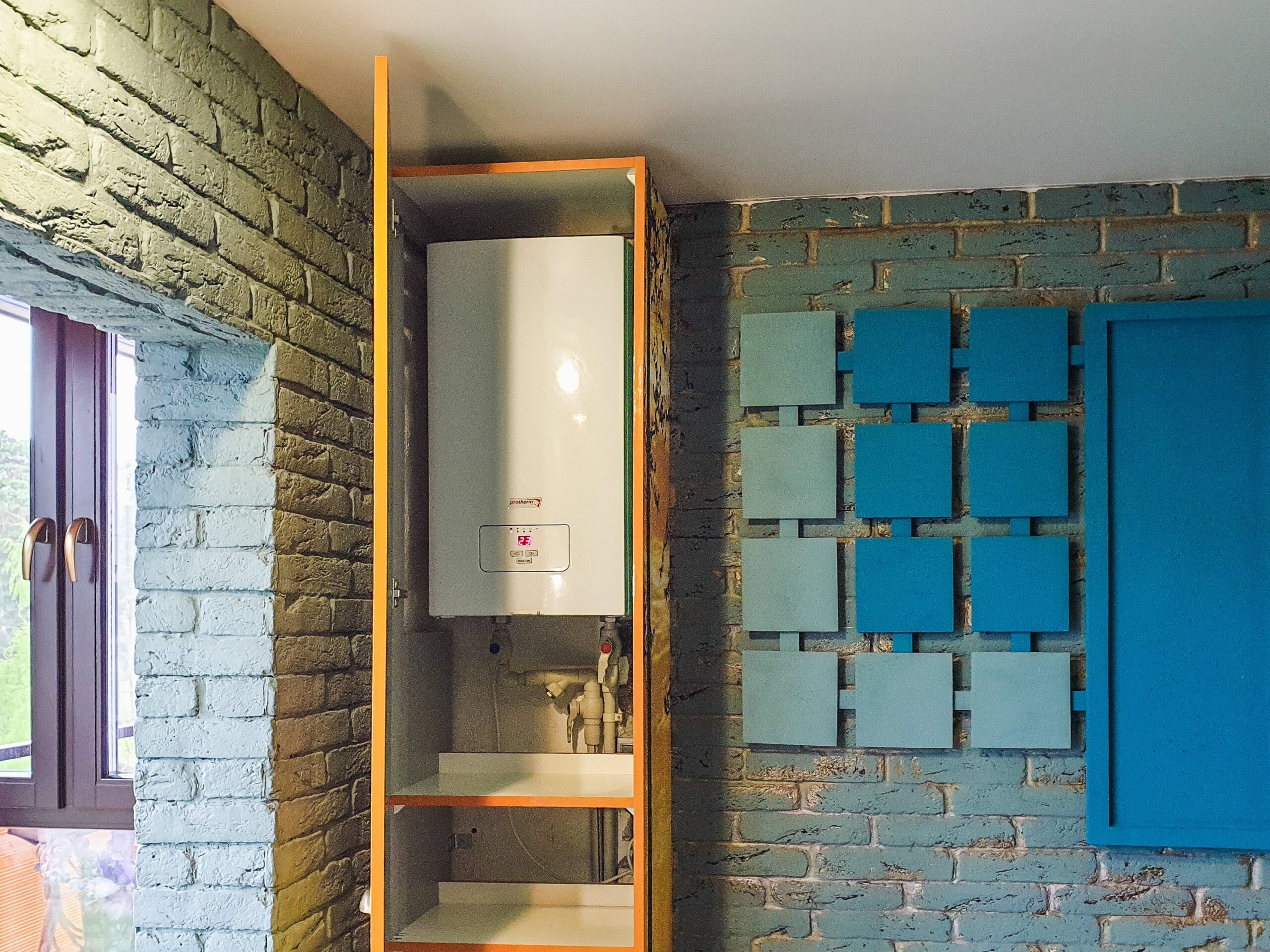
cropped shot of male plumber repairing electric boiler in bathroom

A well-functioning heater is essential to maintaining a cozy home during colder months. But when it starts making strange noises, it can be difficult to determine whether it’s operating as expected or needs attention from a professional.

Understanding the various sounds your heating system makes is essential to ensure its proper functioning and longevity. By distinguishing between normal sounds and potential issues, you can avoid major breakdowns and hazardous situations. We’re here to help you recognize warning signs so you’ll know when to seek professional repair services. By following these guidelines, you can keep your heating system running efficiently, save money on energy bills, and mitigate potential risks.

Common Normal Heater Noises

Understanding and identifying normal heater noises can provide peace of mind and help you differentiate between regular operations and problems that require attention.

  1. Humming: A low humming sound is typical when your heating system is running. Some components, such as the blower motor or air circulation system, may produce this sound as they function.
  2. Clicking: You might notice clicking sounds when your heater starts up or shuts down, which is generally normal. This noise is often due to the expansion and contraction of heater components as they heat up and cool down.
  3. Whooshing: A soft whooshing sound can occur as the air starts moving through your ducts or vents when the heater is turned on. This noise should not be a cause for concern, as it’s part of normal operation.

Abnormal Heater Noises and Their Possible Causes

When you hear unusual or loud noises coming from your heater, it is essential to determine the root cause to prevent potential damage and ensure your system’s efficiency.

  1. Banging or Popping: These sounds typically indicate a buildup of dirt, debris, or sediment in your heating system, causing improper heating and pressure variations. If left unchecked, accumulated debris can result in reduced system efficiency, increased energy costs, and possible damage to your heater.
  2. Grinding: A grinding noise usually signifies a lack of lubrication or an issue with the blower motor. It could also mean the motor’s bearings are wearing down, which may lead to motor failure if not addressed promptly.
  3. Whistling or Hissing: High-pitched whistling or hissing noises often point to a leak in your ductwork or an issue with your heater’s air filter. Clogged or improperly-fitted filters can restrict airflow within the system, causing noticeable whistling sounds.
  4. Screeching or Squealing: If you notice a screeching or squealing sound coming from your heater, it’s possible that the belt connecting the blower motor to the fan has become loose or worn out, hindering its proper functioning.

Why Is My Heater Making a High-Pitched Noise?

If your heater is making a high-pitched noise, such as whistling, squealing, or a sharp screech, it often indicates airflow restrictions or mechanical stress within the system. These sounds tend to be more noticeable because they are higher in frequency and may continue while the heater is running.

In many homes, high-pitched heater noises become more apparent during colder months when heating systems run more frequently. While some causes are minor, others can signal developing issues that should be addressed before they lead to system failure.

Common Causes of a High-Pitched Heater Noise

A heater making a high-pitched noise may be experiencing one or more of the following issues:

  • Restricted airflow: Dirty air filters, blocked vents, or closed registers can force air through smaller openings, creating a whistling sound.

  • Blower motor issues: Worn bearings or an unbalanced blower wheel can produce a squealing or high-pitched tone during operation.

  • Ductwork problems: Loose connections, gaps, or undersized ducts may cause air to whistle as pressure builds in the system.

  • Gas pressure irregularities: In gas-powered systems, improper gas flow can sometimes result in high-pitched noises during ignition or heating cycles.

Because these issues can worsen over time, early diagnosis helps protect both comfort and system longevity.

Risks Associated With Ignoring Abnormal Heater Noises

Failing to address unusual heater noises could pose several risks that may impact the safety, efficiency, and longevity of your heating system.

  1. Reduced Efficiency: Ignoring abnormal or loud noises may result in decreased efficiency, as your heater may need to work harder to produce the desired temperature. This can put additional strain on the system and waste energy, leading to increased utility bills.
  2. Expensive Repairs or Replacement: Prolonged exposure to abnormal sounds may cause further damage to your heater, resulting in costly repairs or even a full system replacement. Addressing potential issues early on helps prevent damage and save money in the long run.
  3. Safety Risks: Certain heater noises may indicate potentially dangerous conditions, such as gas or carbon monoxide leaks. It’s crucial to take these sounds seriously to protect the safety of your home and its inhabitants.

Is a High-Pitched Heater Noise Dangerous?

Not every high-pitched heater noise signals an emergency, but it should never be ignored. In some cases, the sound is airflow-related and easily resolved. In others, it may indicate pressure imbalances or mechanical wear that could shorten the lifespan of your heating system.

If your heater is making a high-pitched noise alongside reduced heat output, frequent cycling, or unusual odors, turning the system off and scheduling a professional inspection is the safest course of action.

When to Call for Professional Repair Services

By understanding the differences between normal and abnormal heater noises, you can determine when it’s appropriate to call for professional assistance. Some situations that warrant professional intervention include:

  1. Persistent Noises: If abnormal noises persist even after initial troubleshooting efforts, it’s time to call us for an inspection. We can help identify the root cause of the problem and implement appropriate solutions to prevent further damage.
  2. Loud, Clanging Noises: Loud banging or clanging sounds can signify severe issues with your heater that require immediate attention. In such cases, it’s best to turn off your system and call us for a thorough investigation and repair.
  3. Safety Concerns: If you suspect that a noise indicates a potential hazard, such as a gas leak or carbon monoxide issue, your first priority should be to ensure the safety of your home. Contact us or your local emergency services for help.

What to Do If Your Heater Is Making a High-Pitched Noise

Before calling a professional, there are a few safe steps homeowners can take:

  1. Check and replace the air filter if it appears dirty or clogged.

  2. Ensure all vents and registers are fully open and unobstructed.

  3. Listen for when the noise occurs—during startup, while running, or when shutting down.

If the noise continues after these checks, professional service is recommended. High-pitched sounds often require specialized tools to properly diagnose blower motors, ductwork, or pressure-related issues.

Trust Our Experts to Keep Your Heater Running Smoothly

Understanding the difference between normal and abnormal heater noises can help you determine when to call for professional repairs to maintain your heater’s optimal performance and ensure your home stays comfortable during colder months. Preventative maintenance, timely repair, and regular heater checkups are key to prolonging the lifespan of your heating system and avoiding costly or dangerous issues.

Should you encounter abnormal heater noises or require expert assistance with your heating system, our team at D&F Plumbing, Heating and Cooling is here to help. Our experienced technicians provide reliable heating repair and maintenance services to keep your home cozy and safe. Don’t let unusual heater noises cause you stress or affect your system’s efficiency. Reach out to us today to schedule an inspection, heater repair, or maintenance appointment and ensure your home remains warm and inviting year-round.

The Environmental Impact of Different Water Heating Solutions

pexels алексей вечерин 9551366

As homeowners become increasingly concerned about sustainability, understanding the environmental impact of different water heating solutions is crucial. By examining the efficiency, emissions, and resource consumption of various heating options, we can make more eco-friendly choices that benefit both our homes and the planet.

Let’s dive into the environmental impact of different water heating solutions. We’ll take a closer look at tankless, solar, and heat pump systems and compare how energy efficient they are, how much greenhouse gas emissions they produce, and how many resources they use. This way, you can make an informed decision on the most eco-friendly and sustainable water heating solution for your home.

Tankless Water Heaters

Tankless water heaters, also known as on-demand or instantaneous heaters, provide hot water only when necessary, eliminating the need for a storage tank. These systems can be powered by electricity, natural gas, or propane. The environmental impact of tankless water heaters depends on their energy source and efficiency ratings.

  • Energy Efficiency: Tankless water heaters can be more energy-efficient than traditional tank-based systems since they only heat water on demand, avoiding standby heat losses. This can result in lower energy consumption.
  • Greenhouse Gas Emissions: Emissions depend on the energy source used. Electric tankless heaters do not produce direct greenhouse gas emissions. However, the emissions related to electricity generation depend on the power grid’s energy sources. Natural gas or propane tankless heaters emit greenhouse gases, though their overall emissions may be lower compared to tank-based heaters due to enhanced energy efficiency.
  • Resource Consumption: Since tankless water heaters do not store water, they reduce the amount of materials needed for manufacturing and installation when compared to traditional storage tank systems.

Solar Water Heaters

Solar water heaters harness renewable energy from the sun to heat water for household use. These systems usually consist of solar collectors and a storage tank. The environmental impact of solar water heaters is generally considered favorable compared to traditional systems.

  • Energy Efficiency: Solar water heaters are highly energy-efficient, as they rely on a free and abundant energy source: the sun. They may require some electricity for pumps and controls but overall consume much less energy compared to gas or electric water heaters.
  • Greenhouse Gas Emissions: Solar water heaters produce minimal direct greenhouse gas emissions, as they primarily rely on solar energy. There may be some associated emissions during the manufacturing and transportation of system components, but these are typically offset by the system’s environmental benefits once installed.
  • Resource Consumption: The manufacturing and installation of solar water heaters involve resource consumption, such as solar collectors, storage tanks, and mounting equipment. However, the long-term benefits of using renewable solar energy for water heating often outweigh these initial resource costs.

Heat Pump Water Heaters

Heat pump water heaters transfer heat from the surrounding air or ground to heat water in a storage tank. These systems are powered by electricity and are considered an energy-efficient option for water heating.

  • Energy Efficiency: Heat pump water heaters can be two to three times more energy efficient than traditional electric water heaters. They can also be combined with other renewable energy sources, such as solar panels, to further increase energy savings. However, they may not perform as efficiently in colder climates, where there is less ambient heat available.
  • Greenhouse Gas Emissions: While heat pump water heaters do not burn fossil fuels and produce direct emissions, they still consume electricity and contribute to indirect greenhouse gas emissions depending on the electricity generation source. Nevertheless, their high energy efficiency typically results in lower emissions compared to electric resistance heaters.
  • Resource Consumption: Heat pump water heaters require resources for manufacturing and installation, such as a compressor, evaporator, and storage tank. However, their superior energy efficiency can help offset the initial resource usage over time.

Environmental Impact Considerations

While the water heating systems discussed above offer varying levels of environmental benefits, it is essential to consider factors such as location, climate, and energy sources when evaluating their overall impact.

  • Geographical Factors: Location and climate can influence both the efficiency and environmental impact of water heating systems. For example, solar water heaters perform best in sunny climates with ample solar radiation, while heat pump water heaters may be less efficient in colder regions.
  • Energy Sources: The environmental impact of water heating systems is closely linked to the energy sources they rely on. Renewable energy sources (solar, wind, hydroelectric, etc.) are generally preferred over fossil fuels due to their lower greenhouse gas emissions and ecological footprint.
  • Lifecycle Analysis: To obtain a complete picture of a water heating system’s environmental impact, consider the product’s entire lifecycle, including manufacturing, resource extraction, transportation, installation, operation, maintenance, and end-of-life disposal or recycling.
  • Local Regulations and Incentives: Many regions offer incentives for homeowners who switch to more sustainable water heating options, such as rebates or tax credits. Additionally, some local regulations and building codes may encourage or require the adoption of environmentally friendly water heating systems.

Make Eco-Friendly Choices with Expert Guidance

Understanding the environmental impact of different water heating solutions is essential for homeowners seeking a more sustainable lifestyle. By comparing the energy efficiency, greenhouse gas emissions, and resource consumption of tankless, solar, and heat pump water heaters, you can make eco-friendly decisions that benefit your home and the environment.

As plumbing and heating experts, our team at D&F Plumbing, Heating and Cooling is dedicated to helping you find the most environmentally friendly water heating solutions for your specific needs. By working with us, you can ensure you’re making informed decisions tailored to your home’s unique circumstances. Contact us today to discuss sustainable water heating options and learn how our expertise can guide you in choosing the optimal system for your household while contributing to a cleaner, greener future.

The Role of Professional Heater Installation in Ensuring System Efficiency and Longevity

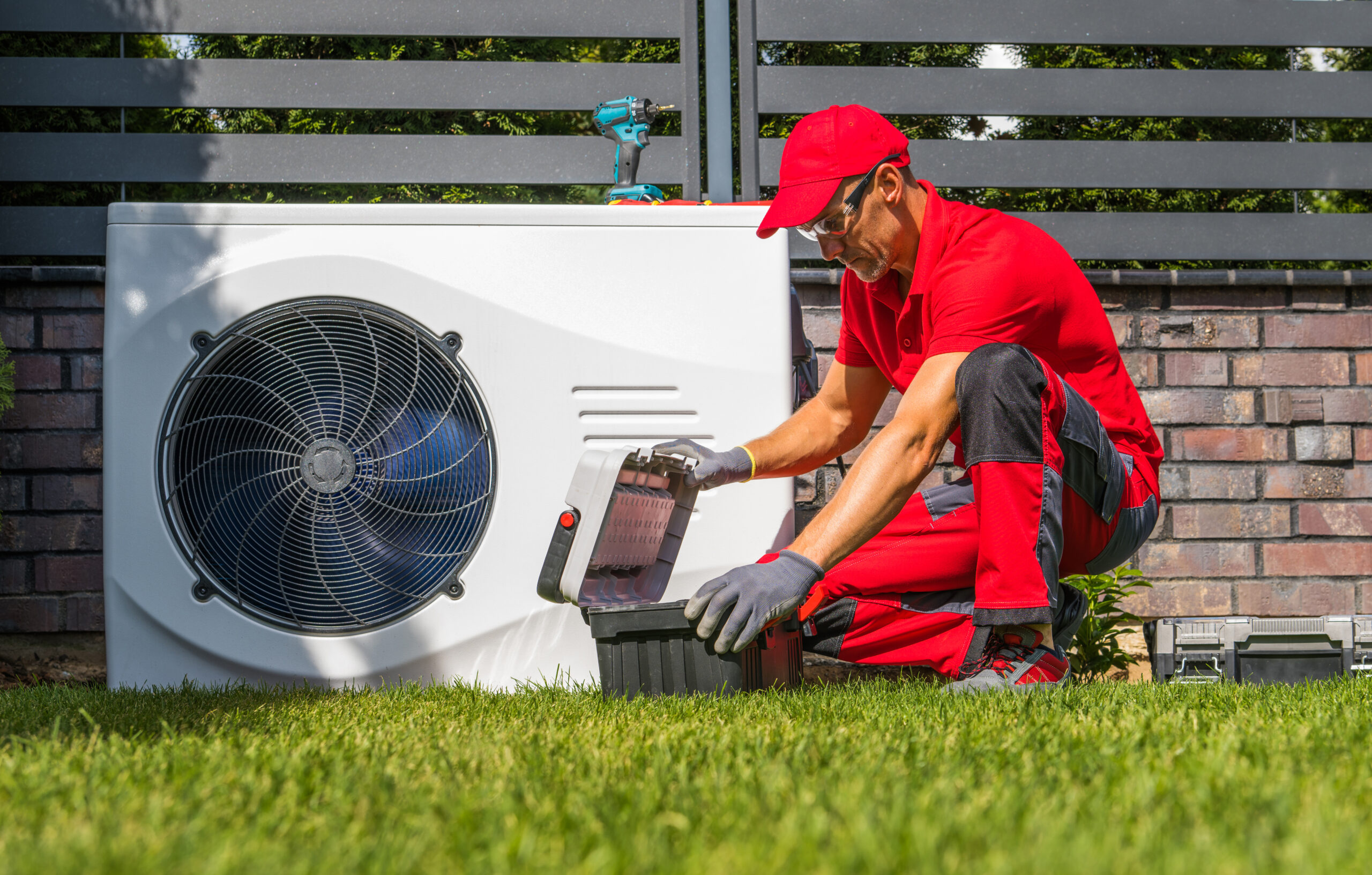
Professional Heat Pumps Technician Installing New Device

A well-functioning heating system is vital for maintaining a comfortable and energy-efficient home, especially during the colder months. The process of heater installation plays a significant role in determining the system’s efficiency, performance, and lifespan.

So, our focus today is on professional heater installation and how it can help ensure your home’s heating system is efficient and long-lasting. We’ll be discussing the benefits of expert installation and why it’s critical for getting the most out of your heating system while protecting your investment. So, let’s dive in!

Proper Heater Sizing and Selection

One of the critical aspects of professional heater installation that significantly impacts efficiency and longevity is the selection and sizing of the unit. Accurate sizing ensures that your heating system operates at maximum efficiency, providing consistent comfort levels while reducing energy usage and related costs. Our experts have the necessary knowledge and tools to determine the most suitable heater size and model for your home, taking into account factors such as square footage, insulation levels, and local climate conditions.

When a heater is undersized, it may struggle to produce enough heat to maintain comfortable temperatures, causing it to work harder, wear out faster, and consume more energy. On the other hand, an oversized heater will quickly heat your home but may result in short cycling, leading to higher energy bills, uneven temperatures, and increased component wear. This makes correct sizing crucial for both system efficiency and longevity.

Precise Installation and Calibration

Our professional heating technicians are equipped with the skills and experience necessary to carry out precise installation and calibration. Proper installation includes accurate positioning of the heater, ensuring sufficient airflow, and correctly connecting all components required for the system to function efficiently. Expert calibration ensures that your heating system operates at optimal levels, maximizing performance while reducing energy consumption and the risk of mechanical failure.

An improperly installed or calibrated heating system can lead to numerous issues, such as poor heat distribution, excessive noise, increased energy consumption, and shorter equipment life. These problems can be costly in the long run and can cause discomfort in your home. Our experts are trained to avoid such issues and ensure that your heating system is correctly installed and optimally calibrated for peak performance.

Safety Considerations

Another crucial reason for enlisting our professional heater installation services is to ensure the safe operation of your heating system. A licensed technician will make sure that all safety components and features are correctly installed, tested, and functioning as intended. Some of the critical safety aspects that professionals take into account include proper venting, correct gas or electrical connections, and adherence to local building codes and regulations.

An improperly installed heater can pose risks such as carbon monoxide leaks, electrical hazards, or even fire hazards. Our technicians will perform rigorous safety checks and tests as part of the heater installation process, providing you with peace of mind knowing that your family and home are protected.

System Warranty and Professional Guarantee

Having your heater installed professionally ensures that your heating system’s manufacturer warranty is honored. Most manufacturers require that their products be installed by licensed technicians to validate the warranty, protecting your investment in case of any equipment malfunction or defect.

Additionally, our professional installation includes a guarantee on the labor and services provided by the contractor. This guarantee serves as an assurance that if any issues arise due to the installation process, they will be promptly addressed and resolved at no additional cost to you. By choosing professional installation, you can rest assured that both your heating system and the quality of the work are protected.

Post-Installation Support and Maintenance

When you choose our professional heater installation services, you can expect continued support and assistance even after the installation has been completed. Our team is available to answer any questions you might have, provide recommendations for maintaining your heater’s efficiency, and address any concerns regarding the performance and operation of your heating system.

Additionally, we offer ongoing maintenance services designed to keep your heating system operating at peak efficiency and to extend its lifespan. Regular maintenance can help identify potential issues early, ensuring that repairs are made in a timely manner and preventing costly breakdowns.

Expert Guidance for Your Water Heater Selection

Choosing the right water heater size is a critical decision that affects your home’s comfort, energy efficiency, and long-term expenses. By carefully evaluating your household’s hot water needs and understanding the differences between the various types of water heaters available, you can make an informed choice that caters to your unique requirements. Ensuring proper maintenance and adopting energy-saving practices will further optimize your water heater’s performance and lifespan.

As a trusted choice for comprehensive plumbing, heating, and cooling services in Portland, OR, and surrounding areas, D&F Plumbing, Heating and Cooling is committed to assisting you in selecting the perfect water heater size for your home. Don’t leave your home’s comfort to chance; contact us today to schedule a consultation and let our experts guide you in making the best decision for your water heating needs.

Drain Cleaning Methods: How Regular Services Can Benefit Your Home’s Plumbing System

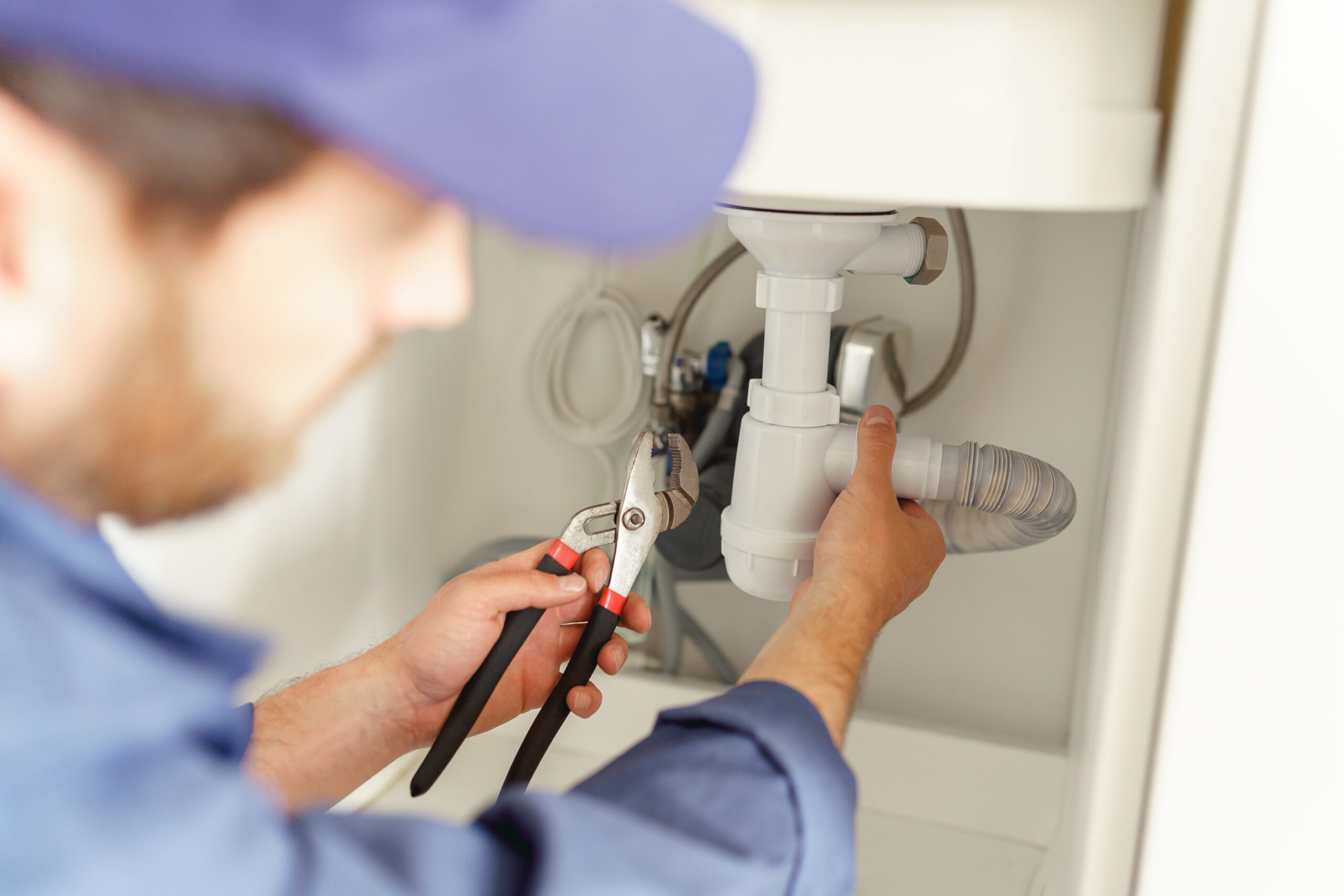
Close up of professional plumber installs a siphon pipe on the kitchen sink

A properly functioning plumbing system is essential for maintaining the comfort and efficiency of your home. One key aspect of preserving its integrity is to ensure that your drains are clean and unobstructed. Over time, debris, grease, and other substances can build up within your pipes, leading to clogs, slow draining water, and even damage to your plumbing system.

At D&F Plumbing, Heating, and Cooling, we provide reliable drain cleaning services that cater to the needs of homeowners in Portland, OR, and the surrounding areas. Our team of experienced professionals offers an array of drain cleaning methods designed to maintain the efficiency of your plumbing system and prevent costly issues.

Let’s talk about drain cleaning methods and their benefits for your home’s plumbing system. It’s important to understand the significance of regular drain cleaning and explore the available options. This way, you can make informed decisions that help maintain the health of your pipes and overall plumbing performance. We’re here to provide efficient drain cleaning solutions that will keep your home running smoothly. Let’s start!

Common Drain Cleaning Methods

Different drain cleaning methods are employed to tackle various types of blockages and clogs. Knowing which method is most appropriate for a particular issue can make a difference in ensuring the effectiveness and longevity of your home’s plumbing system. Here are some standard drain-cleaning techniques that we often use:

1. Drain Snaking: This is a popular and efficient way to address minor clogs and blockages. A drain snake, also known as an auger, is a long, flexible metal cable with a coil at the end, which is inserted into the drain to break through or retrieve the blockage.

2. High-Pressure Water Jetting: Also known as hydro-jetting, this method uses high-pressure water to remove buildup, debris, and grease from the insides of your pipes effectively. The jetting hose is fitted with special nozzles that shoot water in multiple directions, clearing away obstructions and leaving your pipes clean.

3. Chemical Drain Cleaners: In some cases, chemical drain cleaners can be used to dissolve organic matter, such as hair and grease, trapped inside pipes. However, these chemicals can be harsh on your plumbing system and the environment, so using them should be considered with caution or as a last resort.

4. Manual Cleaning: This method involves removing and cleaning the pipes by hand, which could be effective in situations where other techniques cannot resolve the issue. This technique typically requires disassembling the pipes to reach the problem area.

Signs That Your Drains Require Professional Cleaning

Regular drain maintenance is essential in preventing significant plumbing issues. Keeping an eye out for these warning signs can help you identify when it’s time to call for our professional drain cleaning services:

1. Slow Draining: If your sinks or bathtubs take longer than usual to empty, it could be an indication of a blockage forming in your pipes.

2. Recurring Clogs: Consistently dealing with clogs, especially in areas like the bathroom or kitchen, might signal a more profound issue that must be addressed professionally.

3. Unpleasant Odors: Foul smells coming from the drain could indicate a buildup of waste and debris in your pipes.

4. Multiple Drain Backups: If you notice that several drains in your house are backed up simultaneously, there might be a severe clog in your main sewer line that requires our professional attention.

By taking action when you notice these signs, you can prevent further damage and expenses related to your home’s plumbing system.

Advantages of Regular Drain Cleaning Services

Investing in regular professional drain cleaning services offers several benefits that can improve the performance and lifespan of your plumbing system:

1. Increased Efficiency: Clean, debris-free pipes allow water to flow efficiently, ensuring better drainage.

2. Prevent Clogs and Blockages: Regularly removing buildup from your pipes helps to prevent future clogs and blockages, saving you time and potential repair costs.

3. Minimize Wear and Tear: By maintaining clean pipes, you can reduce the strain on your plumbing system, extending its life and preventing premature wear and tear.

4. Reduce Odors: Regularly cleaning your drains helps prevent the buildup of food particles, grease, and other substances that can cause unpleasant odors in your home.

5. Identify Potential Issues: We can identify and address potential problems before they escalate, ensuring that your plumbing system stays in optimal condition.

Tips for Maintaining Clean Drains

In addition to scheduling regular professional drain cleaning appointments, there are steps you can take to minimize blockages and clogs in your home’s plumbing system:

1. Dispose of Grease and Oils Properly: Instead of pouring grease and oils down your kitchen sink, collect them in a separate container and dispose of them in the trash.

2. Use Drain Screens: Place screens over the drains in your kitchen and bathroom to catch hair and debris that can lead to clogs.

3. Be Mindful of What Goes Down the Drain: Avoid disposing of items such as coffee grounds, eggshells, and food remnants in your sink, as they can contribute to blockages.

4. Run Hot Water: Running hot water down your kitchen sink after using it can help dissolve and flush away grease buildup. Adding a squirt of dish soap can provide extra cleaning power.

5. Clean Drain Stoppers: Regularly clean the stoppers in your bathroom sinks and bathtubs to remove hair and debris that can lead to clogs.

Trust Our Experts for Your Drain Cleaning Needs

Regular drain cleaning is a crucial aspect of home maintenance that optimizes the performance and longevity of your plumbing system. By recognizing the signs that indicate the need for drain cleaning, utilizing effective techniques, and adopting preventative measures, you can save time and money, and avoid the inconvenience of severe plumbing issues. As a trusted choice for plumbing, heating, and cooling services in Portland, OR, and the surrounding areas, we at D&F Plumbing, Heating and Cooling are dedicated to providing reliable and comprehensive drain cleaning solutions tailored to your individual needs.

Don’t let clogged drains disrupt your daily routine, compromise your home’s comfort, or lead to expensive repairs. Contact us today to schedule a drain cleaning appointment, and let our experienced professionals keep your home’s plumbing system running at peak efficiency. Invest in regular drain cleaning now for a trouble-free, efficient plumbing system in the long run.

A Comparison: Trenchless Sewer Line Repair vs. Sewer Line Excavation

sewer

When faced with a damaged sewer line, homeowners need to make the important decision between trenchless sewer line repair and traditional excavation methods. Each approach has its advantages and drawbacks, and making an informed choice can help save time, money, and minimize disruption to your property.

In case you’re facing sewer line issues, you might be wondering which repair option would work best for you. There are two popular methods to fix sewer lines – trenchless sewer line repair and sewer line excavation. Let’s discuss both methods in detail so that you can make an informed decision based on your specific situation. This way, you can ensure the durability and efficiency of your sewer system.

Trenchless Sewer Line Repair Method and Benefits

Trenchless sewer line repair, also known as pipe lining or pipe bursting, is a modern, innovative approach to fixing damaged sewer pipes. This technique usually involves one of the following methods:

1. Pipe Lining: A flexible, resin-saturated tube is inserted into the existing pipe and inflated, effectively creating a new pipe within the old one. The resin hardens, forming a durable, seamless lining that seals any cracks or leaks.

2. Pipe Bursting: A bursting head attached to a new pipe is pulled through the damaged sewer line, breaking apart the old pipe and replacing it with the new one simultaneously.

The main benefits of trenchless sewer line repair include:

1. Minimal Disruption: Since no extensive digging is required, trenchless methods preserve your property’s landscape, avoiding the need for costly restoration work.

2. Time Efficiency: Trenchless sewer line repair can often be completed within a day, minimizing the inconvenience of having your sewer system out of commission.

3. Durable Materials: The materials used in trenchless methods, such as cured-in-place pipe (CIPP) lining, are extremely durable and long-lasting, with an expected lifespan of up to 50 years.

4. Environmental Benefits: This repair technique uses fewer resources and causes less disruption to the surrounding environment by reducing excavation-related waste and emissions.

Drawbacks of Trenchless Sewer Line Repair

Despite its numerous advantages, trenchless sewer line repair does have certain drawbacks:

1. Cost: Trenchless repair methods can be more expensive upfront than traditional excavation, due to the specialized equipment and materials needed.

2. Accessibility Issues: In some cases, trenchless repair may not be possible if there is limited access to the damaged sewer line.

3. Extent of Damage: Trenchless methods may not be suitable for severely damaged or collapsed pipes, in which case excavation may be necessary.

Sewer Line Excavation Method and Benefits

Sewer line excavation is the traditional method of repairing damaged sewer pipes. This process involves digging up the damaged section of the pipe, removing it, and replacing it with a new pipe. Some benefits of sewer line excavation include:

1. Low Initial Cost: Sewer line excavation can be less expensive upfront compared to trenchless methods, as it doesn’t require specialized equipment.

2. Versatility: Excavation is suitable for a wide range of sewer repair situations, including severely damaged or collapsed pipes.

3. Thorough Inspection: With the pipe exposed during excavation, a more in-depth inspection can take place, allowing for a complete understanding of the pipe’s condition and ensuring necessary repairs are made accurately.

Drawbacks of Sewer Line Excavation

There are some drawbacks to consider with traditional sewer line excavation:

1. Property Disruption: The excavation process can lead to significant disruption to your property’s landscaping, which may require costly restoration work.

2. Time-Consuming: Excavation can take a longer time to complete compared to trenchless methods, making it more inconvenient for homeowners.

3. Environmental Impact: Traditional excavation involves the removal and disposal of soil and materials, which can have a negative impact on the environment.

Factors Influencing the Choice Between Trenchless Repair and Excavation

Several factors can help determine the most suitable repair method for your damaged sewer line:

1. Cost Considerations: Although trenchless repair methods can be more expensive upfront, they may save you money in the long run by minimizing the need for landscape restoration.

2. Accessibility: The availability of access points for trenchless methods, such as cleanouts or manholes, will help determine if this technique is feasible for your situation.

3. Type and Extent of Damage: The severity of damage or pipe condition can dictate the most appropriate repair approach. Trenchless methods may be suitable for localized issues such as cracks or leaks, while excavation may be necessary for collapsed or heavily damaged pipes.

4. Local Regulations: Some municipalities or homeowners associations may have specific rules or restrictions regarding sewer line repair methods, which should be taken into account when deciding on the best course of action.

Make the Right Choice for Your Sewer Line Repair Needs

Selecting the most suitable method for sewer line repair is crucial for ensuring a well-functioning, long-lasting system. Whether it’s trenchless sewer line repair or traditional excavation, understanding the benefits, drawbacks, and factors influencing the choice between these techniques can result in a cost-effective and efficient solution for your specific situation.

For expert advice and plumbing services in Portland, OR, and surrounding areas, trust us at D&F Plumbing, Heating and Cooling to help you make the best decision about your sewer line repair needs. We are dedicated to providing top-quality, reliable solutions tailored to your unique circumstances. Don’t let sewer line issues disrupt your home’s comfort – reach out to us for a consultation or service appointment today. Let us handle all your plumbing, heating, and cooling needs with unmatched professionalism and care.

Preventing Carbon Monoxide Poisoning: The Role of Heater Repair and Maintenance

Heater Repair and Maintenance scaled

Carbon monoxide poisoning remains a serious concern for homeowners, particularly during colder months when heating systems are in constant use. This colorless, odorless gas can pose a significant threat to the health and safety of your family if released in your home due to a faulty heating system.

In order to keep our loved ones safe and secure from the dangers of carbon monoxide poisoning, it’s crucial to know the importance of heater repair and maintenance. Whether it’s spotting the signs of a malfunctioning heater or the advantages of regular upkeep, we have to equip ourselves with all the necessary information to make informed decisions about our heating systems.

Understanding Carbon Monoxide and Its Threats

Carbon monoxide (CO) is a hazardous and poisonous gas produced as a byproduct of the incomplete combustion of fossil fuels in various appliances, including furnaces, water heaters, and space heaters. This gas is colorless, odorless, and tasteless, making it incredibly difficult to detect without the aid of a CO detector. Exposure to high levels of CO can lead to symptoms such as headaches, dizziness, nausea, and even death in more severe cases. It’s crucial for homeowners to be informed about the dangers posed by carbon monoxide and the essential steps to prevent CO buildup in their homes.

Identifying Warning Signs of a Malfunctioning Heater

A well-maintained heating system should not produce dangerous levels of CO. However, a malfunctioning heater can increase the risk of carbon monoxide poisoning. The following signs indicate potential problems with your heating system that may lead to CO release:

1. Yellow or Orange Flames: The presence of yellow or orange flames instead of the usual blue flames in gas appliances could indicate an issue with combustion, which can lead to CO production.

2. Soot or Smoke Stains: Soot or smoke stains around your heating equipment might suggest incomplete combustion, which can be a source of CO.

3. Condensation or Moisture Buildup: Higher than usual condensation or moisture buildup on windows or in your home could be a sign of an improperly functioning heater.

4. Health Symptoms: If you or your family members experience unexplained headaches, dizziness, or flu-like symptoms only when the heating system is in use, it could be a warning sign of CO exposure.

If you notice any of these warning signs, immediate action should be taken to address the issues and ensure the safety of your home.

Preventive Maintenance and Timely Repairs

Preventive maintenance and timely repairs of your heating system are crucial in keeping your home safe from carbon monoxide poisoning. Regular maintenance will not only ensure that your heating system operates safely but also help maintain its efficiency, prolong its life, and reduce the risk of unexpected breakdowns. Below are some key steps to include in your heater’s preventive maintenance routine:

1. Annual Inspection: Schedule a professional annual inspection of your heater, where our team will assess all essential components for proper function and safety. This inspection helps identify any potential issues before they escalate, preventing CO buildup and ensuring system efficiency.

2. Cleaning and Servicing: Routine cleaning and servicing of your heating system help maintain its optimal performance. This includes cleaning or replacing air filters, inspecting and adjusting fan belts, and cleaning burners for proper combustion.

3. CO Detectors: Installing and maintaining CO detectors throughout your home is a crucial safety measure. These detectors should be placed on every level of your house, particularly near sleeping areas. Change their batteries regularly and replace the entire unit as recommended by the manufacturer.

4. Proper Ventilation: Ensure that your heating system has adequate ventilation to the outdoors, and regularly inspect for any blockages or obstructions in the venting system.

5. Timely Repairs: Address any issues or malfunctions identified during maintenance inspections. Ignoring these problems may lead to CO leaks and pose a threat to your family’s health and safety.

Benefits of Regular Heater Maintenance

In addition to preventing carbon monoxide poisoning, maintaining your heating system offers several other benefits. These include:

1. Enhanced Efficiency: A well-maintained heater operates at a higher efficiency, using less fuel and saving energy costs.

2. Longer Lifespan: Preventive maintenance can help prolong the life of your heating system, saving you from costly replacements.

3. Improved Indoor Air Quality: A properly functioning heater contributes to better indoor air quality, which is crucial for your family’s health.

4. Fewer Breakdowns: Regular maintenance helps identify and resolve potential issues early, reducing the risk of unexpected breakdowns during cold months.

Protect Your Home with Expert Heater Maintenance Services

Safeguarding your family against the dangers of carbon monoxide poisoning starts with diligent heater maintenance and prompt repairs. Understanding the warning signs of a malfunctioning heater, investing in regular preventive maintenance, and addressing issues as they arise are essential steps in ensuring your heating system operates safely and efficiently. Our team of skilled professionals is dedicated to providing comprehensive heater repair and maintenance services to keep your home comfortable and secure.

Don’t compromise on the safety and well-being of your household. Contact D&F Plumbing, Heating and Cooling today to schedule a heater inspection or maintenance service, and let our experienced professionals help you protect your family from carbon monoxide poisoning while promoting the longevity and efficiency of your heating system. Take action now and enjoy the peace of mind you deserve.

Top 5 Benefits of Regular Kitchen Drain Cleaning

ular Kitchen Drain Cleaning scaled

Kitchen drains handle a significant amount of waste daily, including grease, food particles, and debris, which can accumulate over time and cause blockages or other plumbing issues. To prevent these problems and maintain an efficient plumbing system in your home, regular kitchen drain cleaning is essential.

Discover how regular kitchen drain cleaning can benefit your home’s plumbing system. With our team of professionals, you can prevent clogs and improve the hygiene of your living space. We are committed to maintaining the efficiency of your plumbing system through timely interventions and regular maintenance. So, let’s dive into the advantages of kitchen drain cleaning and learn how it can enhance your home’s plumbing health.

Minimizing the Chances of Clogs and Blockages

One of the most apparent benefits of regular kitchen drain cleaning is the reduction of clogs and blockages. Accumulated food particles, grease, and debris can obstruct the normal flow of water in your kitchen sink drains, leading to disruptions in your daily routine. By consistently maintaining the cleanliness of your kitchen drains, you not only prevent the formation of these blockages but also improve the overall effectiveness of your plumbing system.

Maintaining Hygiene and Reducing Odors

When debris and food particles build up in your kitchen drain, they can create a breeding ground for bacteria and other harmful microorganisms. This can, in turn, lead to unpleasant odors emanating from your sink as the waste decomposes. Regular kitchen drain cleaning effectively removes these sources of odor, instantly improving the overall hygiene of your kitchen and eliminating unpleasant smells. The result is a clean, fresh kitchen environment that is free from potentially harmful contaminants.

Preventing Damage to Your Plumbing System

Untreated blockages and clogs in your kitchen drains can lead to corrosion, causing long-term damage to your entire plumbing system. As the blockages prevent water flow, pressure builds up in the pipes, which could also lead to leaks or even pipe bursts. These issues can result in costly repairs and potential water damage to your home. Carrying out regular kitchen drain cleaning can mitigate these risks by ensuring that water flows freely through the drains, reducing pressure on the plumbing system, and preventing costly damages.

Improving Your Drain’s Lifespan

Much like any other component in your home, your drains have a steadily decreasing lifespan if not maintained properly. Clogs, debris buildup, and corrosion can significantly reduce the longevity of your drains and plumbing system. By performing regular kitchen drain cleaning, you extend the life of your kitchen drains and the plumbing system as a whole, saving you from premature replacement expenses and unnecessary headaches.

Enhancing Drain Performance and Saving Time

Having a slow kitchen drain can be an incredibly frustrating experience, disrupting your daily activities and making it difficult to perform routine kitchen tasks. By maintaining and cleaning your kitchen drains on a regular basis, you improve water flow and ensure the efficient operation of the drainage system. As a result, you save time during daily tasks such as washing dishes, meal preparation, and cleaning. With an effective drainage system, you can focus more on enjoying your time in the kitchen rather than dealing with slow or clogged drains.

Environmentally Friendly Drain Cleaning Options

While chemical drain cleaners may be effective in removing clogs, they not only pose dangers to your plumbing system but can also have harmful effects on the environment. Addressing your kitchen drain maintenance needs can be done in an eco-friendly manner by opting for alternative methods such as using enzymatic drain cleaners, high-pressure water jetting, or even natural ingredients like baking soda and vinegar. By regularly cleaning your drains using environmentally friendly techniques, you not only maintain your plumbing system’s efficiency but also contribute to the preservation of the environment.

Choosing the Right Techniques for Regular Kitchen Drain Cleaning

It’s vital to select suitable drain cleaning techniques to avoid causing damage to your drains and ensure optimal results. Below are some recommended methods for maintaining clean and functional kitchen drains:

1. Enzymatic drain cleaners: These drain cleaners use bacteria or enzymes to break down organic materials within your drain without causing damage to your pipes or the environment.

2. High-pressure water jetting: This method involves using a powerful jet of water to dislodge and remove debris from your drains. It is particularly effective for removing grease and other tough blockages.

3. Baking soda and vinegar: The combination of baking soda and vinegar can produce a fizzing reaction capable of dislodging and breaking down minor clogs within your kitchen drains.

4. Regularly remove and clean sink strainers: Sink strainers are designed to help prevent food particles and debris from entering your drains. Ensuring these components remain in good condition and are cleaned regularly can make a significant difference in maintaining a properly functioning kitchen drain.

5. Engaging professional services: Trusting our team of skilled professionals to carry out regular drain cleaning services can save you time and ensure that your drains are maintained to the highest standard of care.

Regular kitchen drain cleaning not only offers immediate benefits such as improved drain function and a fresher-smelling kitchen but also plays a crucial role in maintaining a healthy plumbing system over the long term. By minimizing the chances of clogs, reducing unpleasant odors, preventing damage to your plumbing system, and improving water flow, drain cleaning can save you significant time, money, and inconvenience. Adopting an environmentally conscious approach to maintaining the cleanliness of your kitchen drains further contributes to the preservation of our planet and ecosystems. By selecting appropriate cleaning techniques and seeking professional advice where necessary, you can enjoy the peace of mind that comes with a well-maintained and efficient kitchen drainage system.

Trust the Experts for Your Kitchen Drain Cleaning Needs

The importance of regular kitchen drain cleaning cannot be overstated. From extending the life of your drains to providing a healthier and fresher-smelling environment, meticulously maintaining your kitchen drains guarantees a well-functioning plumbing system that stands the test of time. At D&F Plumbing, Heating, and Cooling, our team of professionals is dedicated to delivering top-quality drain cleaning services tailored to your needs, keeping your home efficient and hygienic.

Don’t wait until you have a plumbing emergency; invest in regular kitchen drain cleaning services and prevent potential problems before they arise. Contact us today to schedule a drain cleaning appointment and experience firsthand the benefits of a meticulously maintained kitchen drainage system. Let our experts handle your drain cleaning needs while you enjoy a comfortable and hassle-free home.