Unless you’re a plumber, it’s easy to confuse main lines and drain lines. Plumbers get these questions all of the time so we thought we’d finally settle this. Keep reading to finally learn the difference of a main line and drain line, including the roles they play in your home.
What is a Main Line?
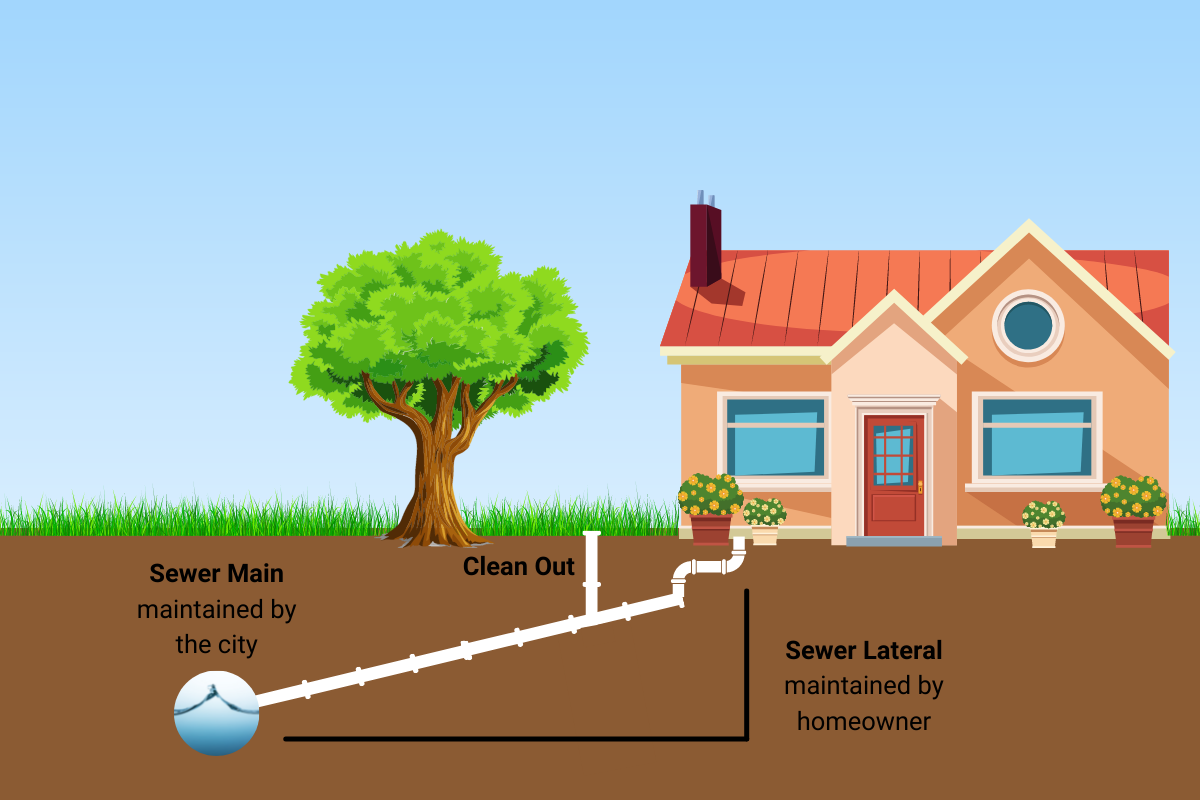
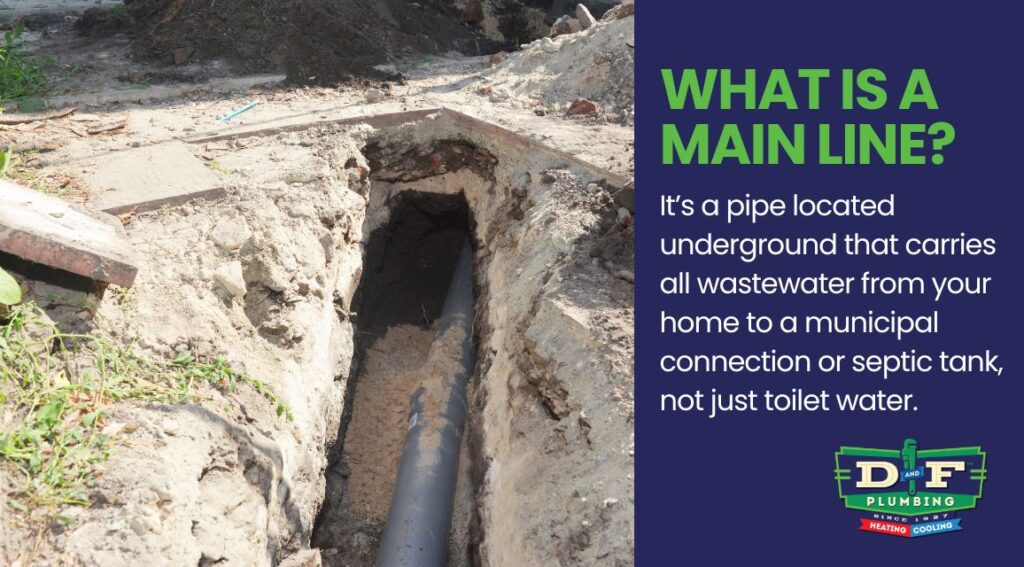
To put it simply, your main line is your sewer line. It’s a line located underground that carries all wastewater from your home to a municipal connection or septic tank, not just toilet water.
Here is some additional information about your main line.
- In addition to drain line clogs, another big threat to your main line is tree roots. If you know where your main line is located, you can strategically plant trees in areas that won’t damage your main line.
- You’ll want to know where your cleanout is located in case it suffers a clog.
- If you’re experiencing drain clogs at the lowest point in your home, you likely have a main line clog.
- If there’s sewage coming out, there’s most likely a main line clog.
- If you hear gurgling noises in another part of the home when using water, you could have a main line issue.
What Does a Main Drain Look Like?
A main drain—sometimes called the mainline pipe or plumbing main—is usually a large-diameter pipe (around 3–6 inches wide) made of PVC, ABS, cast iron, or clay depending on the age of the home. Homeowners often see it through an exterior cleanout, which typically appears as a capped, upright pipe near the yard or foundation. This cleanout gives plumbers direct access for inspections, clearing blockages, and diagnosing issues deep within the home sewer line.
What is a Drain Line?
Drain lines are lines located inside of your home that are connected to your plumbing fixtures such as your toilets, sinks, and showers. They don’t lead directly to your sewer system or septic tank, but they dump into the main line. When you’re having an issue with one drain line, you can generally still use the plumbing everywhere else in the home because they aren’t connected.
Understanding your Main Line and Your Drain Line
Knowing the difference between your main line and your drain line is important because they’re two entirely different things with different fixes and costs. Generally, a main line clog is going to require a professional plumber and involves more steps.
[embedyt] https://www.youtube.com/watch?v=8jxRn-T_LCs[/embedyt]
Where Is the Main Sewer Line Located?
For most homes in Portland and Vancouver, the main sewer line runs underground from the house to the city connection near the street. Indoors, it typically starts below the lowest drain—such as in a basement or crawlspace. Outdoors, it can be accessed through a cleanout located near the foundation, driveway, or yard. Knowing where your main sewer line is located helps you detect issues sooner and prevents unnecessary digging during repairs.
Why is Main Line and Drain Line Maintenance Important?
Every homeowner in the Portland and Vancouver areas knows the importance of maintaining their homes, but often, the hidden systems like main line plumbing and drain lines are overlooked. These systems are the unsung heroes of your home, quietly and efficiently removing wastewater and ensuring a hygienic environment. But why is their maintenance so crucial?
Prevention is Cheaper than Cure
When it comes to main plumbing line and drain line plumbing, a stitch in time truly does save nine. Regular checks and maintenance by a main line plumber can spot potential issues before they escalate. Neglecting this can lead to main line drain clogs or even damage to the sewer main line. The cost of addressing these issues after they’ve become severe is significantly higher than regular upkeep. Think of it as an investment in your home’s future and your peace of mind.
Protecting Your Home from Water Damage
The main drain line in a house and the drain lines in a house play a pivotal role in directing wastewater away from your home. A clogged plumbing main drain or a backed-up main sewage line can lead to water pooling in unwanted areas. This doesn’t just mean a mess to clean up; it can lead to structural damage, mold growth, and other health hazards. For those who’ve experienced the aftermath of a burst main sewer pipe or an overflowing sewer mainline, they can attest to the importance of preemptive maintenance.
Ensuring a Healthy Living Environment
Ask yourself, “What is the main drain in a house for?” or “What is a sewer main’s purpose?” The answer is simple: to ensure that wastewater, which includes everything from used bathwater to sewage, is efficiently and safely removed from your home. A malfunctioning mainline sewer or water drain line can lead to stagnant water, which becomes a breeding ground for bacteria and pests. This not only poses a health risk but can also lead to unpleasant odors permeating your home.
While the intricacies of main plumbing and drain lines might seem confusing, understanding their importance and ensuring their regular maintenance is crucial. It’s not just about avoiding costly repairs; it’s about ensuring the longevity of your home and the health and safety of its inhabitants. While we know you’re probably not always thinking about “What is a sewer line, and why should I care?”, remember that it’s the silent guardian of your home’s hygiene and comfort. So give it some consideration once in a while!
Sewage Line Meaning (In Simple Terms)
Your sewage line is simply the pipe responsible for carrying all wastewater away from your home. When this line becomes blocked or damaged, wastewater has nowhere to go—which can result in backups, foul odors, or contaminated water entering lower drains. Understanding the sewage line’s meaning and role helps homeowners catch problems early and avoid messy or expensive emergencies.
Common Signs of Main Line and Drain Line Issues
For homeowners in the Portland and Vancouver regions, understanding the health of your main line plumbing and drain lines is as essential as knowing where the best local coffee shop is. While these systems often work as smoothly as your morning brew, when issues arise, they can cause significant disruptions, turning your day as sour as a bad espresso shot… Recognizing the early signs of problems can save you from costly repairs and ensure a hygienic living environment. So, what are the telltale signs that your main plumbing line or drain line plumbing might be in distress?
Unpleasant Odors
One of the first and most noticeable signs of a problem with your main sewage line or drain lines in a house is an unpleasant odor. If you start to detect a sewage-like smell, especially around drains or in your basement, it’s a clear indication that there’s a blockage or issue with your main line sewer or plumbing main drain. This smell is not just a nuisance; it’s a warning sign that should not be ignored.
Slow Draining Water
- Sinks and Bathtubs: If water is taking longer than usual to drain in your sinks or bathtubs, it could be a sign of a blockage in your drain lines.
- Toilets: A toilet that doesn’t flush efficiently or seems to be struggling might indicate a problem with the main line drain or main plumbing.
- Multiple Fixtures: If multiple fixtures in your home are draining slowly, it’s a strong indication of a mainline sewer issue.
Unusual Noises and Backups
- Gurgling Sounds: If you hear gurgling sounds coming from your drains, especially after flushing the toilet or using the sink, it’s a sign of a potential main sewer pipe problem.
- Water Backups: Water backing up in odd places, like water appearing in the bathtub when you flush the toilet, is a clear sign of a main drain line in house issue.
- Frequent Clogs: If you’re frequently dealing with clogs, especially in the lowest points of your home, it could be a sewer mainline problem.
Your home’s main plumbing and drain lines are vital systems that ensure wastewater is efficiently removed. Being aware of the common signs of issues can help you address problems early, saving you time, money, and potential health hazards. So, always remember to keep an ear out for those gurgling sounds, and if you’re ever in doubt, it’s best to consult with a main line plumber like the Plaid Pros at D&F Plumbing, Heating, and Cooling. And you can also take preventative measures to avoid clogged sewer lines.
Solutions for Main Line and Drain Line Issues
Encountering problems with your main line plumbing or drain lines can be daunting, especially when you’re unsure how to address them. While some minor issues can be resolved with DIY methods, the complexities of main plumbing line and drain line plumbing often require professional intervention. Here’s why hiring a main line plumber, like D&F Plumbing, Heating and Cooling, is essential and the advanced techniques we employ to restore your home’s plumbing health.
Expertise and Experience
A professional main line plumber brings years of experience and knowledge to the table. We can quickly diagnose the root cause of the issue, whether it’s a main sewage line blockage or a mainline sewer malfunction, ensuring that the problem is addressed efficiently and effectively so you can get back to life’s usual routine.
Advanced Equipment and Techniques
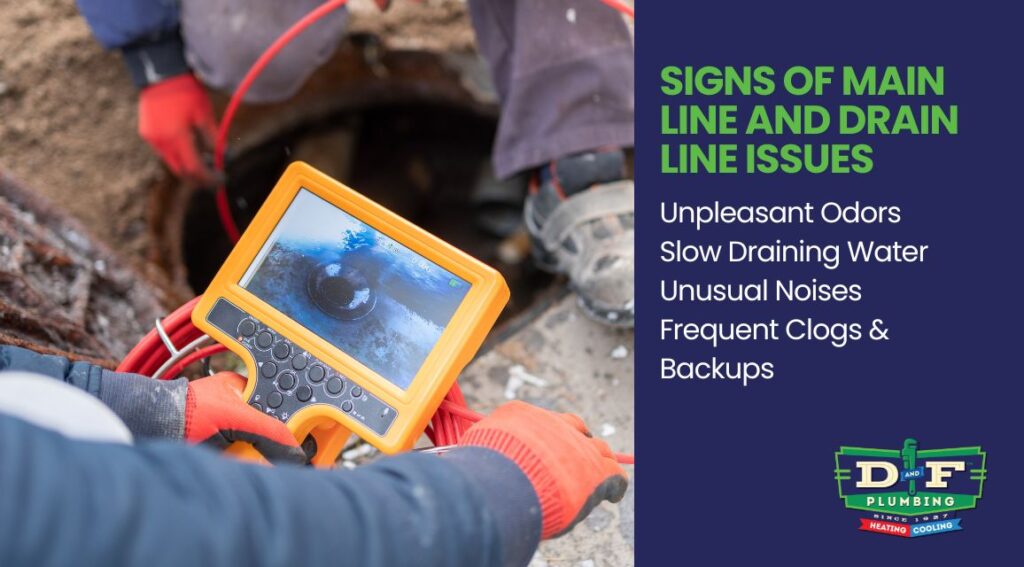
- Camera Inspections: Using specialized cameras, professional plumbers can get a real-time view inside your main sewer pipe and drain lines in a house, pinpointing the exact location and nature of the problem.
- Hydro Jetting: This technique uses high-pressure water to clear blockages in your main line drain and sewer main line, ensuring a thorough cleaning without damaging the pipes. Here at D&F, we invest in the latest hydro jetting solutions for the most effective results possible.
- Trenchless Repairs: For more severe issues, modern plumbers employ trenchless repair techniques, which allow us to fix main plumbing issues without digging up your yard.
Long-term Solutions
While DIY methods might offer a temporary fix, a professional ensures that the solution is long-lasting. We address the root cause, preventing future issues with your main line sewer or plumbing main drain.
So while the temptation to address main plumbing issues on your own might be strong, the benefits of hiring a professional far outweigh the risks. With our expertise, advanced equipment, and commitment to providing long-term solutions, you can rest assured that your home’s plumbing is in good hands. So, the next time you find yourself wondering, “What is the main drain in a house, and how do I fix it?”, remember to call the experts at D&F Plumbing, Heating, and Cooling.
Need Help Telling Main Line vs. Drain Line Issues Apart?
Because main drain plumbing problems often mimic drain line issues, homeowners sometimes waste time guessing. A professional plumber can quickly perform a camera inspection to determine whether the blockage is in a single fixture drain or deep inside the mainline pipe. Identifying the right issue early prevents unexpected sewage backups, water damage, or unnecessary repairs.
Sewer Line Cleaning Experts
Great, now you’re just a bit more educated on your plumbing terminology than you were before reading this article! Ever consider a plumbing career? 😉
Anyway, if you’re experiencing any issues with your drains or main line, let D&F Plumbing, Heating and Cooling help! We have the experience and knowledge to help with main line and sewer line repairs quickly. Plus we’re available for plumbing emergencies! Contact our friendly team today!
FAQs About Main Lines & Drain Lines
What’s the main difference between a main line and a drain line?
A main line carries all wastewater from your home to the city sewer or septic system, while drain lines handle smaller amounts of wastewater from individual fixtures like sinks, tubs, and laundry drains. A main line clog affects the whole house, while a drain line clog typically impacts only one area.
What does a main drain look like?
A main drain—also known as a mainline pipe—is usually a large 3–6″ pipe made of PVC, ABS, cast iron, or clay. Homeowners often see it through a capped cleanout located in the yard, basement, or near the home’s foundation.
Where is the main sewer line located in most homes?
Most homes have a main sewer line running underground from the house to the street. Inside, it usually begins below the lowest fixture (basement, crawlspace, or slab). Outside, you can typically access it through a cleanout near the yard or driveway.
How can I tell if I have a main line clog or just a drain line clog?
If multiple fixtures back up at once, toilets bubble when sinks drain, or wastewater appears in lower drains, you likely have a main line clog. Slow drainage from only one sink or shower usually indicates a drain line issue.
What causes main line plumbing clogs?
Common causes include tree root intrusion, collapsed or aging pipes, flushable wipes, grease buildup, and foreign objects entering the plumbing main. Heavy rain or ground shifting can also affect older home sewer lines.
Is a main line clog considered a plumbing emergency?
Yes—because the main line handles all wastewater, a blockage can lead to sewage backups, property damage, and contamination. If you suspect a mainline pipe clog, you should contact a plumber immediately.
Who should I call for main line or drain line problems?
A licensed plumber who specializes in main drain plumbing—like D&F Plumbing, Heating & Cooling—can diagnose issues quickly using camera inspections, hydro jetting, and advanced repair techniques.