Installing a gas water heater requires careful preparation and attention to detail. It is not just about placing the unit and connecting a few pipes. Proper installation ensures the safety and efficiency of the water heater, providing your home with a reliable source of hot water.
Before beginning the installation, it’s important to gather all necessary tools and materials. Ensuring proper ventilation and safely turning off utilities are crucial steps that must not be overlooked. These preparatory actions lay the groundwork for a successful installation process.
Proper installation also involves several safety checks and inspections to ensure everything is working correctly. Knowing when to call our professionals can save you from potential hazards and complications. A thorough and safe installation not only prolongs the life of your gas water heater but also ensures your household remains safe and comfortable.
Preparing for Installation
Gathering Necessary Tools and Materials
Before you start the installation, make sure you have all the essential tools and materials. You’ll need wrenches, pipe cutters, screwdrivers, and Teflon tape. Additionally, having a new water heater, proper venting materials, and pipe fittings will ensure smooth progress. Gathering everything beforehand saves time and helps avoid interruptions during the installation.
It may also help to have extra components such as a sediment trap, high-quality flex gas connector, and a dedicated gas shut-off valve. While not always required, these additions can significantly improve long-term system performance and enhance safety during gas water heater installation.
Ensuring Proper Ventilation
Proper ventilation is crucial for the safe operation of gas water heaters. Make sure the installation area is well-ventilated to prevent the buildup of harmful gases like carbon monoxide. It’s essential to check the existing venting system for any blockages or damages. If needed, install new vents to ensure proper airflow. Good ventilation not only ensures safety but also improves the efficiency of the water heater.
Before installing a gas water heater, verify that your home’s venting configuration meets current local codes. Venting guidelines—such as clearances, slope requirements, and exhaust routing—help ensure your system operates safely and avoids combustion issues.
Turning Off Utilities Safely
Safety is paramount when installing a gas water heater. Start by turning off the gas supply to avoid any leaks or hazards. Locate the gas shutoff valve and turn it to the off position. Then, turn off the water supply by closing the main water valve. Finally, cut off the power supply if the water heater is connected to an electric source. Taking these steps minimizes risks and prepares the area for safe installation.
Steps for Installing a Gas Water Heater
Removing the Old Water Heater
Begin by draining the old water heater. Attach a hose to the drain valve and let the water flow into a drain or outside. Once drained, disconnect the gas line using a wrench and carefully remove it from the unit. Detach the water supply lines and carefully move the old heater out of the way. Ensure the area is clear and clean before bringing in the new unit.
Positioning the New Water Heater
Place the new water heater in a position similar to the old one, ensuring easy access for future maintenance. Make sure the water heater is level and stable. Providing a stable base prevents vibrations and potential damages. Follow the manufacturer’s guidelines for proper positioning, paying attention to clearances and ventilation requirements.
Taking time to align the unit properly also helps ensure smooth gas line routing. When installing gas hot water heaters, a clean and accessible layout makes future servicing easier and prevents accidental stress on connections.
Connecting the Water Supply
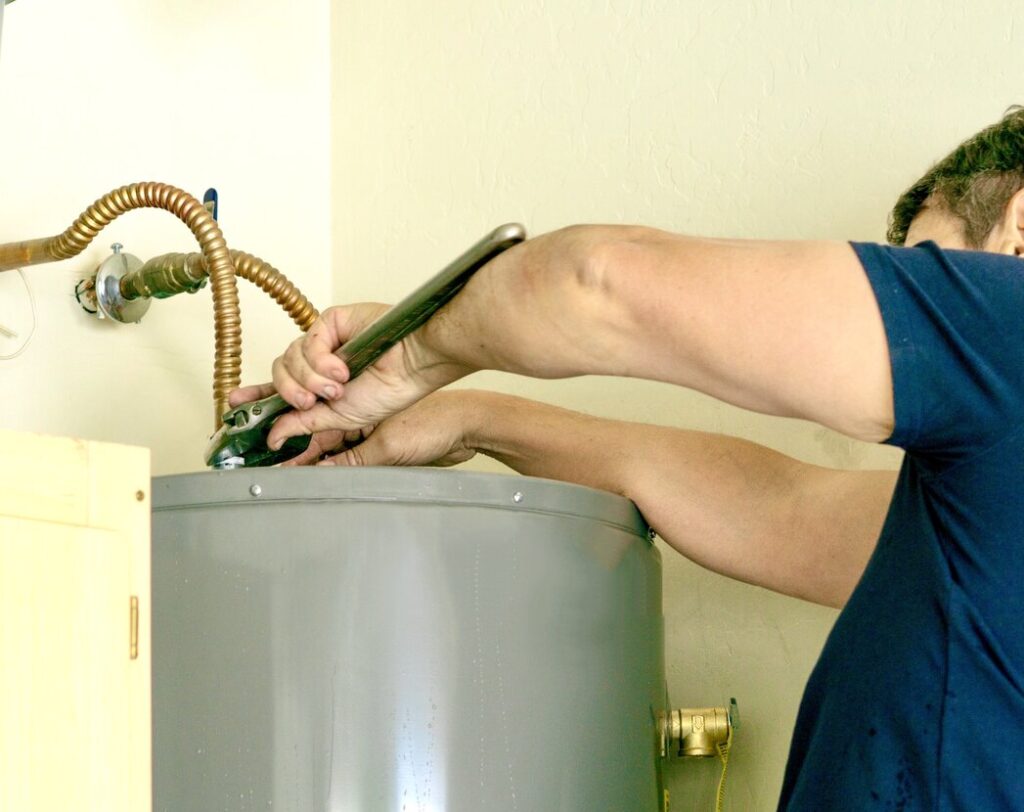
After positioning the new unit, reconnect the water supply lines. Use new fittings and Teflon tape to create a tight seal. Connect the cold water supply to the inlet and the hot water supply to the outlet. Turn on the water supply to fill the tank, checking for any leaks. Tighten the connections if necessary to ensure a secure fit. Proper connections are vital for the efficient operation of the new gas water heater.
Safety Checks and Inspections
Checking for Gas Leaks
Before finalizing the installation, it is essential to check for gas leaks. Use a gas leak detection spray or a solution of dish soap and water applied to the gas connections. Turn on the gas supply and observe the connections closely. Bubbles forming indicate a leak. If you detect any leaks, turn off the gas supply immediately and tighten the connections. Always prioritize safety by ensuring there are no gas leaks.
Homeowners who want an added layer of assurance can use a digital gas leak detector. When doing any type of gas heater installation, precise leak testing is one of the most important steps in preventing hazards.
Inspecting the Venting System
The venting system plays a crucial role in safely expelling exhaust gases. Inspect the venting system to ensure it is correctly connected and free of obstructions. Verify that the vent pipes are securely attached and have the proper slope to facilitate the flow of gases. Inadequate venting can lead to the buildup of hazardous gases, so a thorough inspection is necessary for the safe operation of the gas water heater.
Testing the Water Heater
Once all connections are secure, test the water heater to ensure it is functioning correctly. Relight the pilot light according to the manufacturer’s instructions and set the thermostat to the desired temperature. Allow the water heater to run for a while and check for proper operation. Ensure that the water is heating up and that there are no unusual noises or malfunctions. This final step confirms that the installation has been successful and the unit is ready for use.
During this stage, also pay attention to ignition behavior and burner flame characteristics—key indicators that everything was installed correctly. A smooth startup confirms that the gas water heater installation is functioning as intended.
When to Call Our Professionals
Recognizing Installation Challenges
While installing a gas water heater can be manageable, certain challenges may arise. If you are unsure about turning off utilities, handling gas lines, or connecting vent systems, it is best to call our professionals. Handling these tasks incorrectly can lead to safety hazards and inefficiencies. Recognizing the limits of your DIY skills is vital for your safety and the proper functioning of the water heater.
Common issues homeowners encounter include misaligned venting routes, outdated or undersized gas lines, and water pressure inconsistencies. If you come across any of these, scheduling expert help is the safest choice.
Benefits of Professional Installation
Opting for professional installation offers several benefits. Our professionals have the expertise to handle all aspects of installation safely and efficiently. They ensure all connections are secure, proper ventilation is in place, and the unit functions optimally. Professional installation can save you from potential hazards, future repair costs, and the stress of troubleshooting issues on your own.
Scheduling a Service with Our Professionals
For those who prefer professional installation, scheduling a service with us is simple. Our technicians are experienced in installing gas water heaters and will ensure a seamless, safe installation process. Contact us to book an appointment and let our experts handle the task, giving you peace of mind and a properly installed water heater.
Local Expertise in Portland & Vancouver
For homeowners in Portland, OR and Vancouver, WA, we provide full-service gas water heater installation, including safe removal of old units, precise venting setup, and secure gas line connections. Our licensed technicians ensure every step meets local building codes and industry standards, giving you reliable hot water and long-term peace of mind.
Conclusion
Installing a gas water heater involves careful preparation, precise execution, and thorough safety checks. While some steps can be managed by homeowners, knowing when to call our professionals can make a significant difference in ensuring a safe and efficient installation. Proper installation guarantees that your gas water heater will function correctly and provide reliable hot water for your household.
Consider the benefits of professional installation and schedule a service with D&F Plumbing, Heating and Cooling to ensure your gas water heater is set up properly. Our experts will handle the installation with the utmost care, allowing you to enjoy the comfort of a well-heated home. Contact us today to arrange your installation service and experience the peace of mind that comes from professional expertise!
FAQs About Installing a Gas Water Heater
How long does a gas water heater installation typically take?
Most installations take 2–3 hours, depending on venting, gas line condition, and how accessible your old unit is.
Can I replace my electric water heater with a gas model?
Yes, but it may require installing a new gas line and adjusting venting. A professional can confirm what is needed for your home.
Is professional installation necessary?
While homeowners can complete parts of the process, installing a gas water heater involves gas line work, venting, leak testing, and code requirements. A licensed technician ensures everything meets safety standards.
What should I do if I smell gas during installation?
Stop immediately, shut off the gas supply, leave the area, and contact a professional. Never continue installation if a gas odor is present.
How do I know which size gas water heater I need?
Tank size depends on household usage. A professional can assess your home’s hot water demand and help you choose the right capacity.