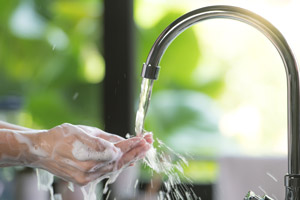
 With the current health concerns related to COVID-19, you may be doing a ton of hand-washing and disinfecting. Goodbye manicure, hello dry, cracked hands, am I right?!
Besides making your hands look like Death Valley, did you know disinfectant can actually harm your septic system? It’s true.
Your septic system relies on bacteria to help break down waste. In fact, bacteria is responsible for breaking down 95% of the waste that goes into your septic tank! Amazing right?
If these organisms are killed off, you may suffer clogs, backups, and drainfield malfunctions (aka sewage in your yard)—yuck!
We want you to be safe, but we also don’t want you to experience any costly septic system issues. Especially during the current pandemic. That’s why we want to help educate you on the chemicals and cleaning products you should and shouldn’t put down your drains.
Flushing Wipes
Flushing wipes down the toilet seems quick and easy, but don’t do it! Sanitizing wipes can kill off beneficial bacteria and present a clogging issue further down the road. Even baby wipes that say “plumber recommended” or “flushable” aren’t made to break down like regular toilet paper, and can clog up your system.
Laundry Sanitizers
Laundry sanitizers are a hot trend right now. These commercial products come with and without bleach, and can claim to kill 99.9% of bacteria.
But bleach and petroleum-based chemicals can wreak havoc on a septic system!
You can actually sanitize your laundry without buying extra products using just hot water. Hot water eliminates 99.9% of bacteria that’s most commonly found in clothing, towels, sheets, and other fabric. Wash your clothing in an extra-hot wash cycle or “sanitize cycle” if your unit has this setting.
*Keep in mind, these cycles and sanitizing products are harsh on your fabrics, so only use them if absolutely necessary.
Are Popular Laundry Sanitizers Like Lysol Safe for Septic Systems?
Many homeowners have recently begun asking, “Is Lysol Laundry Sanitizer septic safe?” While the product advertises “0% bleach,” it still contains antimicrobial agents that can affect the delicate balance of bacteria inside a septic tank.
Lysol Laundry Sanitizer may be considered “safe for standard and septic systems” when used sparingly, but frequent or heavy use can disrupt beneficial microbial activity—slowing waste breakdown and potentially contributing to sludge buildup. This applies to all laundry sanitizers, not just Lysol’s formula.
If you choose to use Lysol Laundry Sanitizer for heavily soiled fabrics, we recommend:
- Using it only when truly necessary, not for daily loads
- Running sanitized loads separately and spacing them out throughout the week
- Switching back to a septic-safe, biodegradable detergent for regular washing
- Using your machine’s sanitize cycle (hot water) as a chemical-free alternative
Bottom line: Is Lysol Laundry Sanitizer safe for septic systems? Yes—but only when used occasionally and in moderation. Overuse of any laundry sanitizer can harm septic bacteria over time.
Septic-Friendly Laundry Tips
To keep your septic system healthy while still keeping laundry clean:
- Choose septic-safe or biodegradable detergents for everyday use.
- Avoid running multiple “sanitizing” loads back-to-back.
- Consider a monthly hot-water cycle to help rinse residual chemicals from your washing machine.
- Limit laundry sanitizer use (including Lysol Laundry Sanitizer) to loads that truly need disinfecting.
Household Cleaning Products to Avoid
In addition to chlorine bleach and petroleum-based cleaning products, you’ll also want to avoid ammonium quaternary compounds (QUATs). QUATs are found in various products from shampoos and toilet cleaners, to hand soap and baby care products. It’s a list as long as the Columbia River!
The EPA has registered QUATs as pesticides, so you’ll often find them listed as active ingredients on products. They’ll typically say, “antibacterial” or list the actual active ingredients which can be: Didecyldimethylammonium chloride, Ammonium chloride, Tetraethylammonium bromide, or more (there are over a dozen QUATs).
While QUATs do kill viruses and bacteria, they can also irritate your lungs and skin and harm your septic system when used in large quantities.
Safe Cleaning Products
Whether you’re sanitizing your toilets or your floor, there are various cleaning products out there that are safer alternatives. Opt for “green” cleaners that are EPA Safer Choice designated or make your own using baking soda, lemon juice, or distilled white vinegar.
Septic systems are a part of plumbing most people don’t think about until something goes wrong. And when something does go wrong, it’s usually nasty and expensive!
If you want more tips on how to properly care for your septic system, don’t hesitate to reach out to us. Let our family help your family!
Frequently Asked Questions
Can disinfectants harm my septic system?
Yes, disinfectants can harm your septic system because they kill the beneficial bacteria responsible for breaking down waste. When those bacteria are weakened, your tank can develop clogs, backups, and slow drainage.
Why are bacteria important in a septic tank?
Bacteria are important in a septic tank because they break down roughly 95% of the waste that enters the system. Without a healthy bacterial population, solids accumulate faster and can lead to costly system failures.
Can flushing wipes damage a septic system?
Yes, flushing wipes can damage a septic system because they don’t break down like toilet paper and can clog pipes or accumulate in the tank. Even wipes labeled “flushable” can slow decomposition and create long-term issues.
Are household cleaners like bleach safe for septic systems?
No, household cleaners like bleach are not safe for septic systems when used in large amounts because they kill beneficial bacteria. Occasional light use is typically fine, but heavy or frequent use disrupts the biological balance your system needs.
What chemicals should I avoid if I have a septic system?
You should avoid chemicals such as chlorine bleach, petroleum-based cleaners, and ammonium quaternary compounds (QUATs) because they kill septic-friendly bacteria. These ingredients are commonly found in disinfectants, wipes, shampoos, and toilet cleaners.
Do laundry sanitizers affect septic system bacteria?
Yes, laundry sanitizers can affect septic system bacteria because they contain disinfecting agents that enter your tank through wash water. Even non-bleach formulas can disrupt the natural bacterial balance when used too often.
What are safe cleaning alternatives for septic systems?
Safe cleaning alternatives for septic systems include EPA Safer Choice cleaners and natural options like baking soda, vinegar, and lemon juice. These options clean effectively without harming beneficial bacteria.
How can I protect my septic system while still keeping my home clean?
You can protect your septic system by using disinfectants sparingly, choosing biodegradable or septic-safe cleaners, spacing out laundry loads, and limiting the use of strong chemicals. These habits help maintain a healthy bacterial environment in your tank.